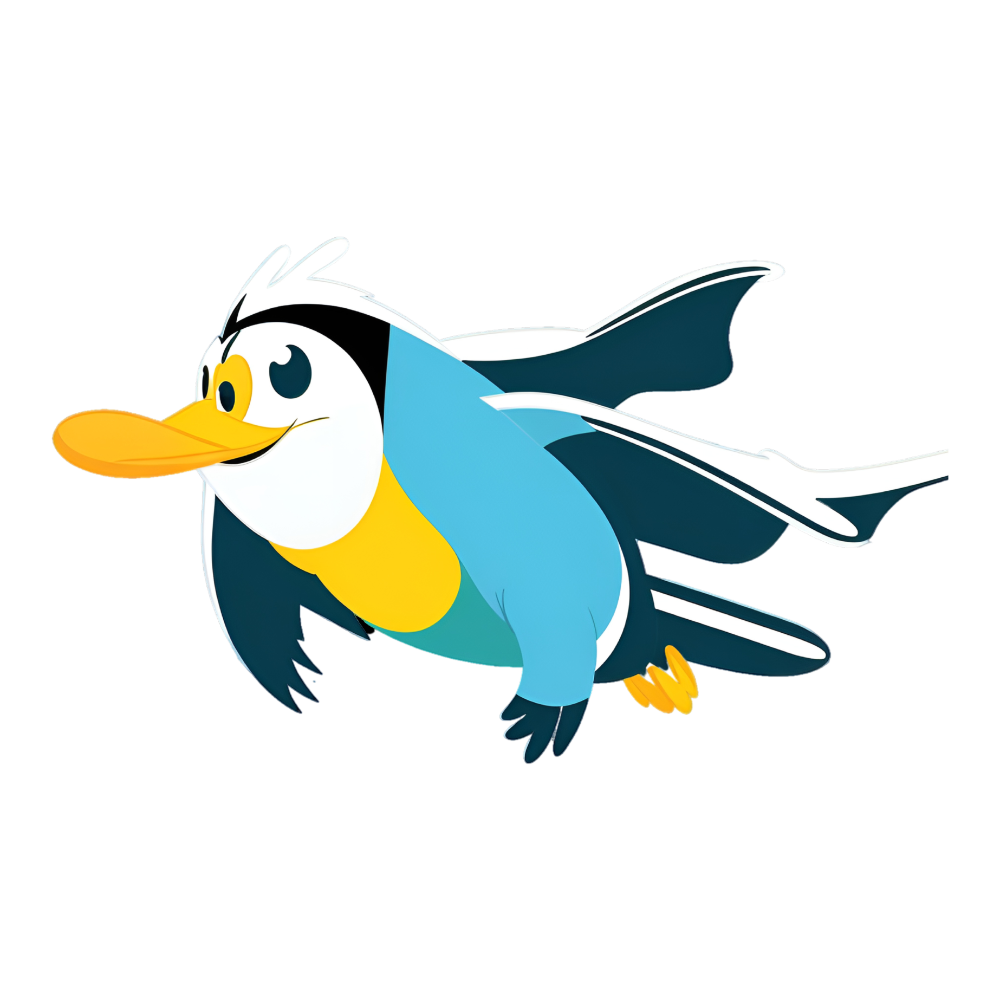
Little Girl
Story Type: Superhero origin with beach monster battle
Themes: Human-animal partnership, hidden powers revealed, emotion triggers abilities (anger = floating), weapon upgrades when first attempt fails, shared recognition (both get medals)
Setting: Back garden (revelation), beach (battle)
WHY THIS STORY MATTERS
Diary Frame: "Dear diary, my name is Jenny"—intimate narrative voice, confessional tone. This story is being documented, not just told.
Emotional Origin: Got Max on birthday, was so happy she cried—establishing baseline love before revelation transforms relationship.
Gradual Revelation: Dog talks (shock) → explains they both have powers → floats to demonstrate → reveals shared origin ("tested by a science test")—information delivered in stages, not dumped.
Mundane Before Crisis: "First we had to pack a bag with a towel and basket full of food for me and dog food for Max"—normal beach prep before monster appears. That specificity (dog food for Max) grounds the fantastical.
Specific Monster Design: Not just "octopus" but "giant octopus with three heads and a purple eye in the center of its face"—visual clarity, memorable image.
Emotion-Triggered Powers: "I got so angry I suddenly started to float"—powers activate through feeling, not conscious control. "A bit wobbly at first, but was fine"—learning curve acknowledged.
Collaborative Combat: Man strikes punch, Max does same, octopus drops guy, Max catches him—three entities working together, not solo hero.
Weapon Progression: Given sword → doesn't work → someone doubts her capability ("How can a 10-year-old...?") → anger summons upgraded weapon → massive but not heavy → success. That's video game logic: first weapon insufficient, upgrade required.
Doubt as Catalyst: "How can a 10-year-old kill a giant octopus?"—doubt triggers anger, anger summons magical sword. Skepticism becomes fuel.
Shared Recognition: Jenny gets medal with her name. Max gets treats (appropriate for dog) AND same medal with his name. Equal partners, equal recognition, species-appropriate rewards.
Emotional Closure: "How did you feel?" "Max and I felt happy"—not triumphant, not celebrated, just happy. Shared emotion between partners.
WHEN CHILDREN ARE GIVEN COMPLETE CREATIVE AUTONOMY:
- Diary frame creates intimacy
- Origin stories reveal gradually (talk → float → explain)
- Mundane details ground fantastical (packing dog food)
- Specific monster design (three heads, purple eye)
- Emotion triggers powers (anger = floating)
- Collaborative combat (human, dog, rescued man)
- Weapon progression (given sword fails, magical upgrade succeeds)
- Doubt catalyzes power ("How can a 10-year-old...?" → massive sword appears)
- Equal recognition for both partners (medals with names, treats for dog)
ABOUT STORYQUEST™
StoryQuest™ achieves 100% engagement across all learners, including reluctant writers, boys, and students with SEND. The approach: give children complete creative autonomy over something that truly matters to them.
RESOURCES & LINKS
Bring StoryQuest™ to Your School:
my-storyquest.com
Start Friday Night Storytelling at Home:
theadventuresofgabriel.com/golden-question
Read Gabriel's Adventures:
theadventuresofgabriel.com
Connect with Kate:
katemarkland.com
SHARE THIS EPISODE
Know a teacher struggling with reluctant writers? A parent whose child says "writing is boring"? A school leader looking for proven literacy solutions?
Share this episode with them.
Because every child has a story. And when we give them the freedom to tell it, extraordinary things happen.
KEYWORDS
Child authors, creative writing for children, literacy education, reluctant writers, StoryQuest, student engagement, talking dog stories, superhero origin, beach monster battle, three-headed octopus, emotion-triggered powers, weapon upgrades, human-animal partnership, December Story Celebration
NEXT EPISODE
Tomorrow: Another story from our December Story Celebration. 31 stories over 31 days.
PRODUCTION
StoryQuest™
"When given complete creative control, children don't just create great stories—they discover their voice. And that voice deserves to be heard."
— Kate Marklan